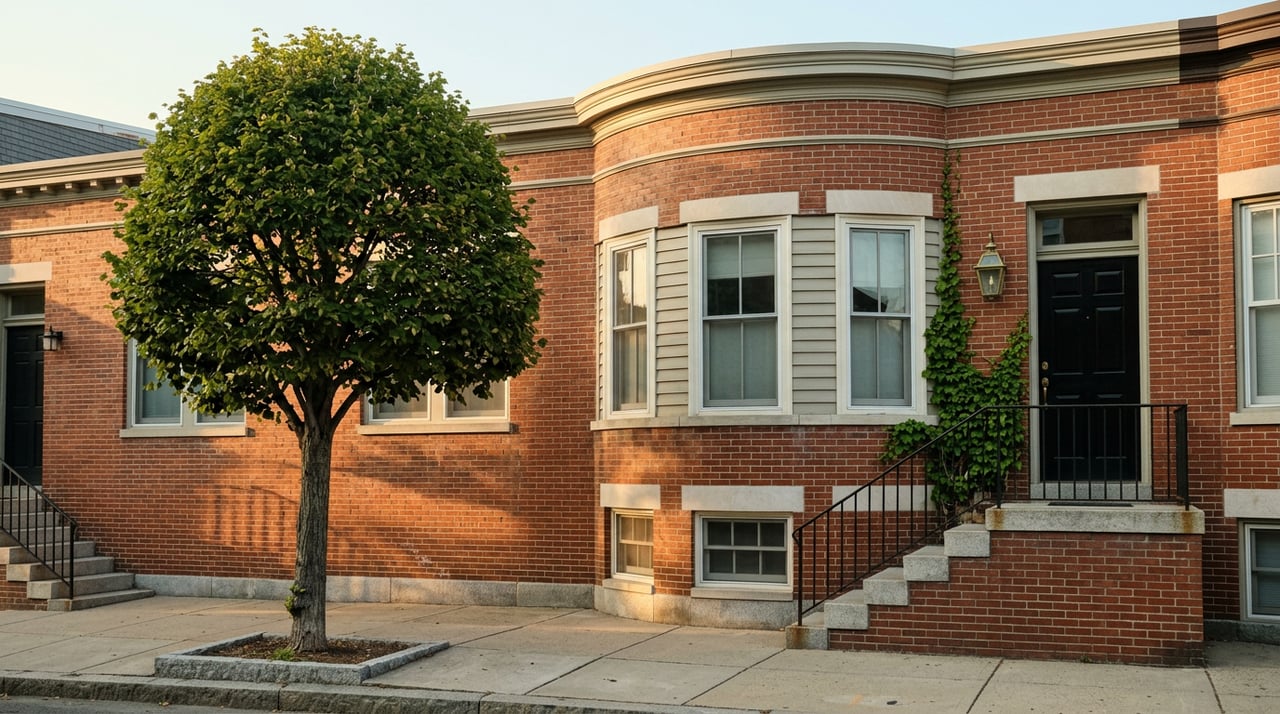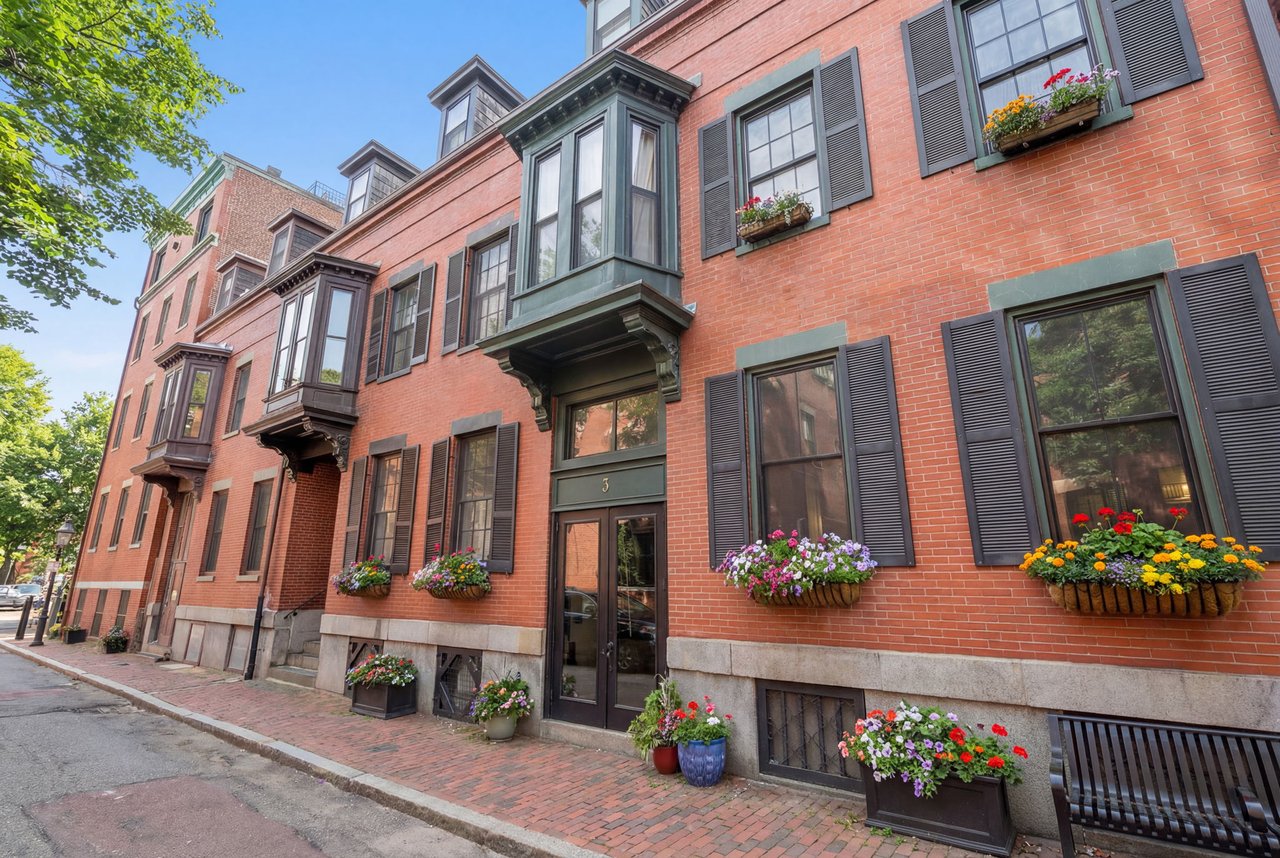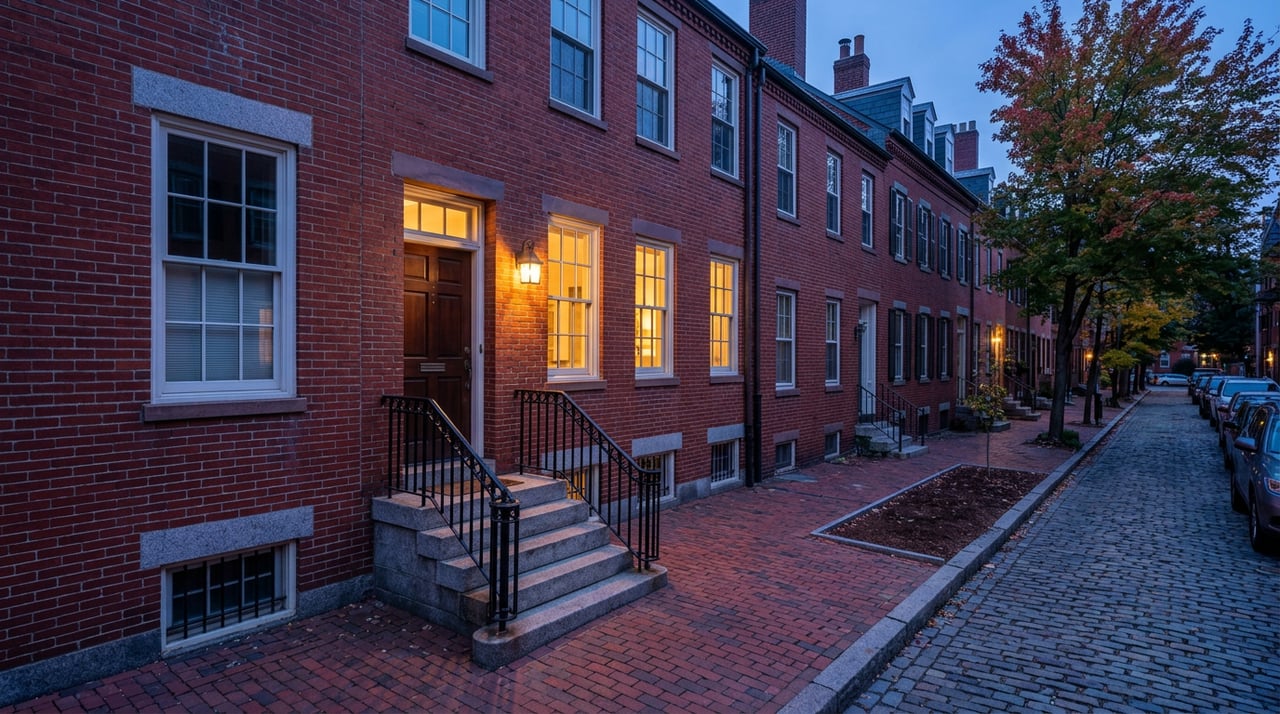
On the morning of September 19, a handful of front doors in Charlestown will swing open to strangers. Not open houses in the real estate sense. No sign riders, no lockboxes, no agent standing in the front hall. Just a homeowner who has agreed to let a few hundred neighbors and out-of-towners walk through their front parlor, up their stairs, and into the parts of a house that never make it into a listing photo.
This is the Charlestown House Tour, and if you've lived here long enough to remember the last one, you might be wondering why it took two years to come back around. That gap is the most interesting thing about the tour, and it's the part almost nobody explains.
What's actually opening this year
The tour is run by the Charlestown Preservation Society, a volunteer group that has organized it since the late 1970s. It is self-guided, which means you get a map and a window of hours rather than a docent and a schedule. Past editions have routed visitors through three of the neighborhood's oldest pockets: Harvard Mall, Training Field, and Monument Square. Those aren't just pretty street names. They're distinct historic districts, each with its own building stock and its own restoration history, and the tour has traditionally used all three to show the range of what "historic Charlestown" actually looks like up close, from grand residences facing Monument Square to modest rowhouses that a family spent a decade bringing back to life.
The Preservation Society describes the homes on the route as spanning from grand historic residences to carefully restored rowhouses, most dating to the nineteenth century, each one adapted for how people actually live now without losing what made it worth preserving in the first place. That's the tension the tour exists to show off: a bay window that still has its original glass next to a kitchen that was gutted and rebuilt in 2019. Charlestown is not a museum. It's a working neighborhood that happens to be the oldest one in Boston, and the House Tour is the one day a year, or rather every other year, when you get to see how that contradiction plays out room by room.
Why the tour skips a year
Here's the part that changes how you should think about your ticket. The Charlestown Preservation Society has said plainly that the House Tour is its primary vehicle for funding. Not a nice bonus event. The primary one. This is a hundred percent volunteer organization, which means the money raised on tour day has to carry the group's entire slate of work until the next tour rolls around. A biennial schedule isn't a scheduling quirk. It's the operating budget cycle for an all-volunteer preservation nonprofit that doesn't have a development office or a line item from the city.
So what does that money actually buy? Look at what the Society has been doing in the two years between tours:
- Memorial Hall was designated a City of Boston Landmark by unanimous vote of the Boston Landmarks Commission in April 2026, a preservation win the Society had been working toward.
- A Monument Square Landmark District study got underway in 2025, the kind of groundwork that determines what future owners in that district can and can't change about their facades.
- The Society partnered with the Charlestown Working Theater to secure a Community Preservation Act grant.
- It's working alongside the Charlestown Coalition and the Friends of Charlestown Peace Park nonprofit to get the Peace Park construction project moving.
- Over its history, the group has approved and installed roughly 200 historic markers on buildings around the neighborhood, each one plotted on an interactive map with the build date and, where records allow, the name of the original owner or builder.
None of that happens without the House Tour. When you buy a ticket on September 19, you're not just buying a look inside eight or nine private homes. You're funding the same organization that spent the last two years arguing Memorial Hall's case in front of the Landmarks Commission and cataloging two centuries of ownership records so a homeowner on your street can find out who built their house. The tour and the advocacy aren't two separate things the Society does. One pays for the other.
The neighborhood inside the neighborhood
If you've only ever thought of Charlestown as one place, the tour is a useful corrective. Harvard Mall, Training Field, and Monument Square each developed on a different timeline, and walking between them in a single afternoon makes that visible in a way that scrolling through listings never does. Monument Square grew up around the obelisk itself, with grander houses built for people who wanted the view. Training Field's rowhouses tend to be denser and more modest, built for the working families who filled in the streets below the hill. Harvard Mall sits closer to the water, with its own mix of scale and style.
The Preservation Society's historic marker project makes the same point at street level. Roughly 200 markers now sit on buildings around the neighborhood, each one a small, permanent fact: built in this year, by this person, for this reason. You've probably walked past a dozen of them without stopping to read one. The House Tour is, in a sense, what those markers would say if they could open their own front doors.
What tour day actually looks like
The Society doesn't run this in a vacuum. In past years, ticket pickup has happened at neighborhood shops along the route, places like Junebug and Place and Gather, which turns the tour into something closer to a neighborhood-wide event than a single-location ticketed one. Visitors have walked the route on foot or caught a shuttle between stops, which matters in a neighborhood where the terrain between Monument Square and the waterfront is genuinely hilly.
Plan for a break somewhere in the middle. Warren Tavern, established in 1780 and generally regarded as the oldest tavern in Massachusetts, sits two blocks from the Monument and has been serving people who walked up that same hill since before Charlestown had house numbers. It's the kind of place where the history you just toured keeps going over a bowl of chowder. Monument Restaurant and Tavern, a few doors down on Main Street, is the newer neighborhood version of the same idea, a spot locals use for brunch and weeknight dinners that also happens to sit minutes from the Bunker Hill Monument and the Freedom Trail. Either one turns a self-guided walking tour into an actual afternoon out.
Why this matters even if you don't buy a ticket
Most people reading this already live here, which means most of you have your own opinion about how much Charlestown should change and how fast. The House Tour is one of the few mechanisms in the neighborhood that turns curiosity about old houses into actual leverage over what happens to them. Every ticket sold this month is quietly underwriting the next Landmarks Commission case, the next round of historic markers, the next grant application for a group like Charlestown Working Theater. You don't have to walk through a single house to benefit from that. But if you do, on September 19, you'll be looking at more than someone's renovated kitchen. You'll be looking at what your neighbors decided was worth saving, and what two years of volunteer work made it possible to save.
If you're weighing a move within Charlestown, thinking about what a renovation might involve in a historic district, or just curious what a property like the ones on this year's tour could mean for your own plans, the Tracy Shea Team has spent years working inside these same streets and historic districts. Reach out to schedule a consultation whenever you're ready to talk specifics.